Art Psychotherapy
Art psychotherapy is a form of psychotherapy that combines creative expression with psychological understanding to support emotional healing and personal growth. It offers both verbal and non-verbal ways to explore experiences, process trauma, and build resilience.
You don’t need any artistic skill to benefit - art is simply one tool available, alongside talking. Sessions are always adapted to your individual needs, at a pace that feels safe. My approach is attachment - based, trauma-informed, and integrative, drawing on psychodynamic principles, client-centred and relational therapy, mindfulness, psychoeducation, and CBT-informed strategies.
Child & Adolescent Art Psychotherapy
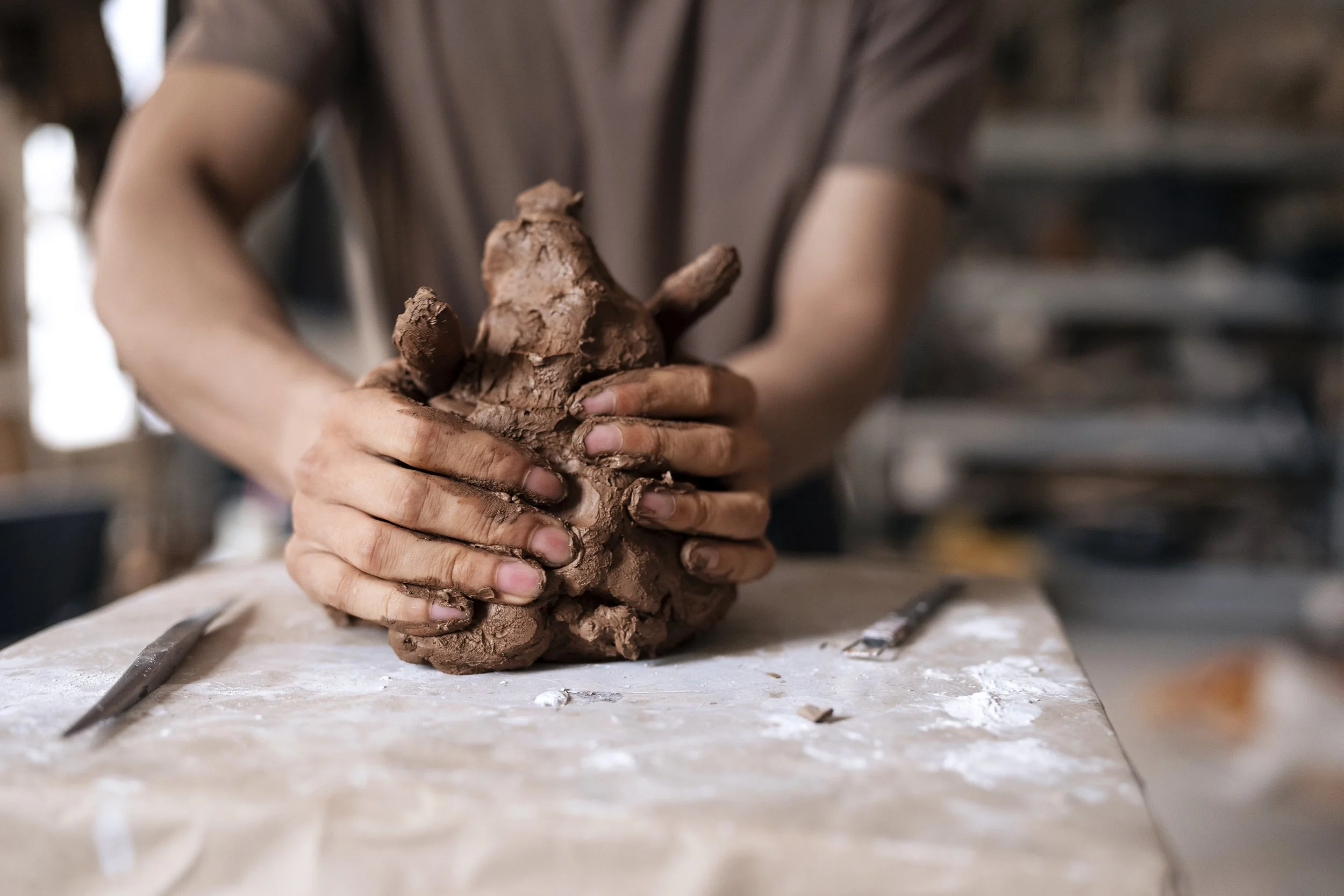
For children and young people, art psychotherapy provides a developmentally sensitive way to explore emotions and experiences that may be hard to put into words. Through drawing, painting, modelling, or creative play, they can symbolically process worries, trauma, grief, or relationship challenges in a safe and contained space.
Key Benefits
Builds confidence, emotional awareness, and communication
Encourages emotional regulation and healthier coping strategies
Supports with trauma, anxiety, self-esteem, and social or behavioural challenges
Accessible to children of all abilities - no art skills required
Working with Parents & Carers
Parental involvement is an important part of child art psychotherapy. This may include contributing to initial assessments, reviewing goals and progress, and supporting understanding of the child’s needs at home or school - always while maintaining the young person’s confidentiality and trust.
Adult Art Psychotherapy
For adults, art psychotherapy offers a flexible way to explore past and present experiences, particularly when words alone feel limiting. Creative expression can open up new perspectives and allow emotions to be processed in a safe and supportive way, while talk therapy remains fully available if preferred.
Key Benefits
Provides space to express emotions that feel difficult to verbalise
Helps process trauma and complex life experiences
Encourages personal growth, creativity, and new perspectives
Supports resilience and healthier ways of coping